
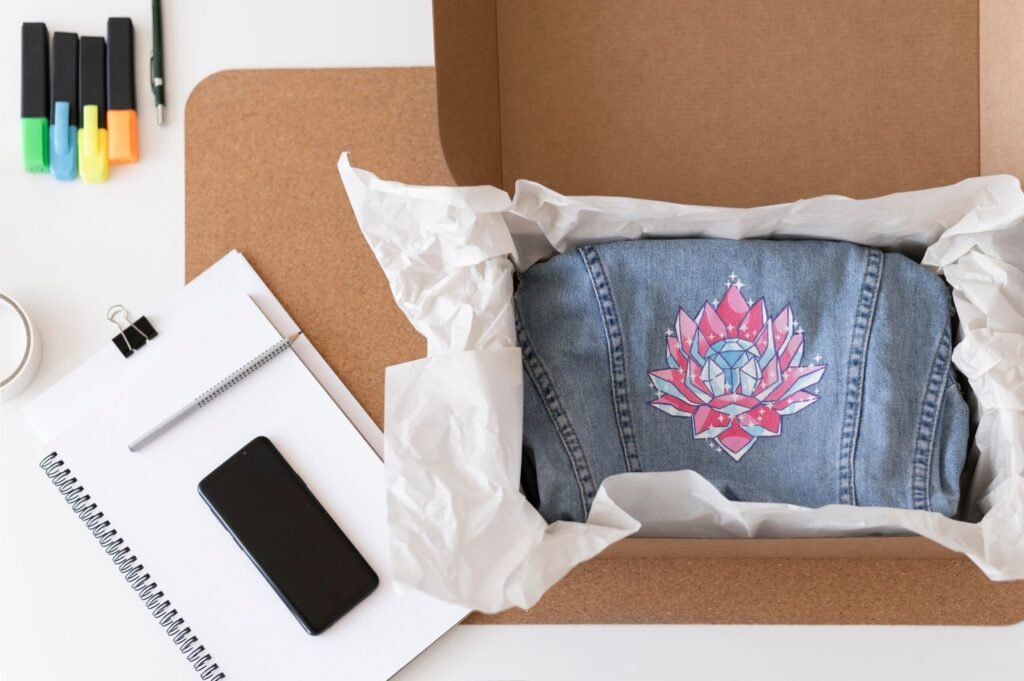

Entering the custom apparel market without a clear strategy on material sourcing is one of the fastest ways to burn through capital and lose customer trust. For years, merchandise creators focused heavily on vibrant designs while treating the underlying garment as an afterthought. Today, consumer standards have evolved significantly. Shoppers can instantly spot cheap, ill-fitting fabrics that pill, stretch out of shape, or fade after a single wash. To build a reputable clothing brand that commands loyalty and repeat purchases, your production process must begin with premium smart blanks that provide an impeccable canvas for your creative vision.
Simultaneously, the mechanics of transferring high-resolution artwork onto textiles have advanced far beyond traditional limitations. The industry-wide adoption of dtf transfers allows creators to bypass the high setup costs and color restrictions of legacy screen printing. By mastering the delicate synergy between high-end apparel foundations and digital print films, independent designers and established merchandise businesses alike can produce retail-ready apparel that competes directly with major high street brands.
The Evolution of Modern Apparel Sourcing
The foundation of any successful fashion label rests entirely on the quality of its textiles. In the past, promotional clothing was dominated by tubular-cut garments made from rough, carded open-end cotton. These shirts were inexpensive to produce in bulk, but they lacked structural integrity. They twisted at the side seams after washing and offered a scratchy texture that consumers tolerated rather than enjoyed.
Modern apparel decorators take a vastly different approach. High-end brands rely on smart blanks, which are specifically engineered for the demands of retail environments and advanced decoration techniques. These garments utilize ring-spun and combed cotton yarns. During manufacturing, the cotton fibers undergo an intensive cleaning and alignment process that removes short, stray hairs and impurities. The resulting fabric is exceptionally soft, tightly knit, and stable over time.
Furthermore, intelligent garment design incorporates structural tailoring such as side seams that mirror the human form, shoulder-to-shoulder taping for added durability, and double-needle hems. When you source these superior foundations through a reliable partner like Custom Premium Shirt, you eliminate the risk of negative reviews regarding poor fit or premature fabric degradation.
Transforming Production with Digital Film Printing
While sourcing high-end blank apparel is crucial, the method you use to apply your artwork dictates your operational agility and profit margins. Traditional screen printing requires extensive setup time, complex mesh screens, and massive minimum order quantities, making it a financial trap for brands testing new creative concepts. Direct-to-garment printing resolved some volume issues but introduced high equipment maintenance costs and poor performance on synthetic blends.
The introduction of dtf transfers has completely rewritten the rules of garment decoration. This advanced digital method allows printers to deposit rich, full-color pigment ink onto a specialized carrier film. A hot-melt adhesive powder is then applied and cured with heat, creating a flexible, highly durable transfer ready to be pressed on demand.
This technology removes the traditional barriers of fabric compatibility. While older methods struggled with non-cotton substrates, modern digital transfers adhere seamlessly to cotton, polyester, nylon, and complex fabric blends. This opens up massive opportunities for brands looking to expand their product lines into activewear, outerwear, and heavy fleece hoodies without overhauling their supply chain.
Achieving Microscopic Harmony Between Print and Fabric
Producing retail-quality merchandise requires a deep technical understanding of how print media interacts with textile surfaces. When you apply modern digital transfers to a rough, low-grade shirt, protruding fibers prevent the adhesive from forming a complete, airtight seal. This structural failure leads to premature peeling and cracking after routine washing.
Using refined smart blanks eliminates this issue entirely. The flat, dense topography of combed ring-spun cotton allows the melted adhesive powder to anchor deeply into the yarn during the heat press cycle. This creates a permanent mechanical bond that moves naturally with the fabric, resulting in a soft hand feel that customers love.
Additionally, material selection plays a vital role in preventing dye migration. When printing on polyester garments, high heat can cause garment dyes to bleed into the transfer ink. Pairing color-stable blanks with professional-grade transfer powders ensures that intricate details remain crisp and vibrant.
Optimizing Your Studio Workflow for Maximum Efficiency
Running a successful merchandise business requires a clean, disciplined production workflow. To minimize waste and maximize output, follow these essential steps in your workspace:
- File Optimization: Prepare your digital artwork at high resolutions with clean vector edges to ensure crystal-clear print reproduction on the film.
- Pre-Press Conditioning: Always pre-press your blank garments for a few seconds to eliminate trapped moisture and flatten microscopic creases before application.
- Temperature Calibration: Utilize an industrial-grade heat press with even temperature distribution across the heating platen to guarantee uniform adhesive melting.
- Pressure Control: Apply firm, consistent mechanical pressure during the pressing cycle to drive the adhesive deep into the textile fibers.
- Finishing Touches: Perform a quick secondary post-press using a protective sheet to lock the ink into the fabric and remove any unwanted surface gloss.
Frequently Asked Questions
What distinguishes smart blanks from traditional wholesale shirts?
These garments are specifically designed for modern decorators. They feature combed or ring-spun cotton for an ultra-smooth print surface, side-seamed construction for a tailored fit, and structural reinforcements that prevent shrinkage and wear over time.
How do digital film transfers compare to screen printing in durability?
When applied correctly with commercial heat presses onto quality garments, digital film transfers offer exceptional elasticity and wash durability, withstanding dozens of heavy laundry cycles without cracking or fading.
Can I apply these digital transfers to non-cotton items?
Yes, one of the primary benefits of this decoration method is its versatility across polyester activewear, nylon jackets, canvas tote bags, and heavy fleece hoodies, allowing for effortless product line expansion.
Why is apparel consistency crucial for a growing clothing line?
Consistent sizing, fabric weight, and color integrity build long-term trust with your buyers, turning one-time shoppers into loyal, repeat brand advocates who know exactly what to expect from your label.
What is the best way to prevent a glossy finish on the final print?
You can eliminate any unwanted glossy sheen by placing a matte parchment sheet over the design after peeling the carrier film and giving it a brief secondary press for five seconds.
Conclusion
Building a thriving fashion brand demands an uncompromising dedication to quality, efficiency, and material excellence. By leaving behind the heavy financial burdens of bulk inventory and embracing an agile production model, you position your business for sustainable growth. Elevate your merchandise standards today by sourcing exceptional foundations from Custom Premium Shirt, pairing those garments with the vibrant versatility of dtf transfers, and utilizing the superior canvas of smart blanks to exceed your customers’ expectations at every turn.